Marans chickens: what they are like and why people keep them
 Piotr Markotpoultry breederBest known for dark eggs
If people talk about Marans, the conversation usually starts with egg colour. That makes sense because dark brown eggs are the big attraction. But if you only focus on shell colour, you can miss the rest of the breed.
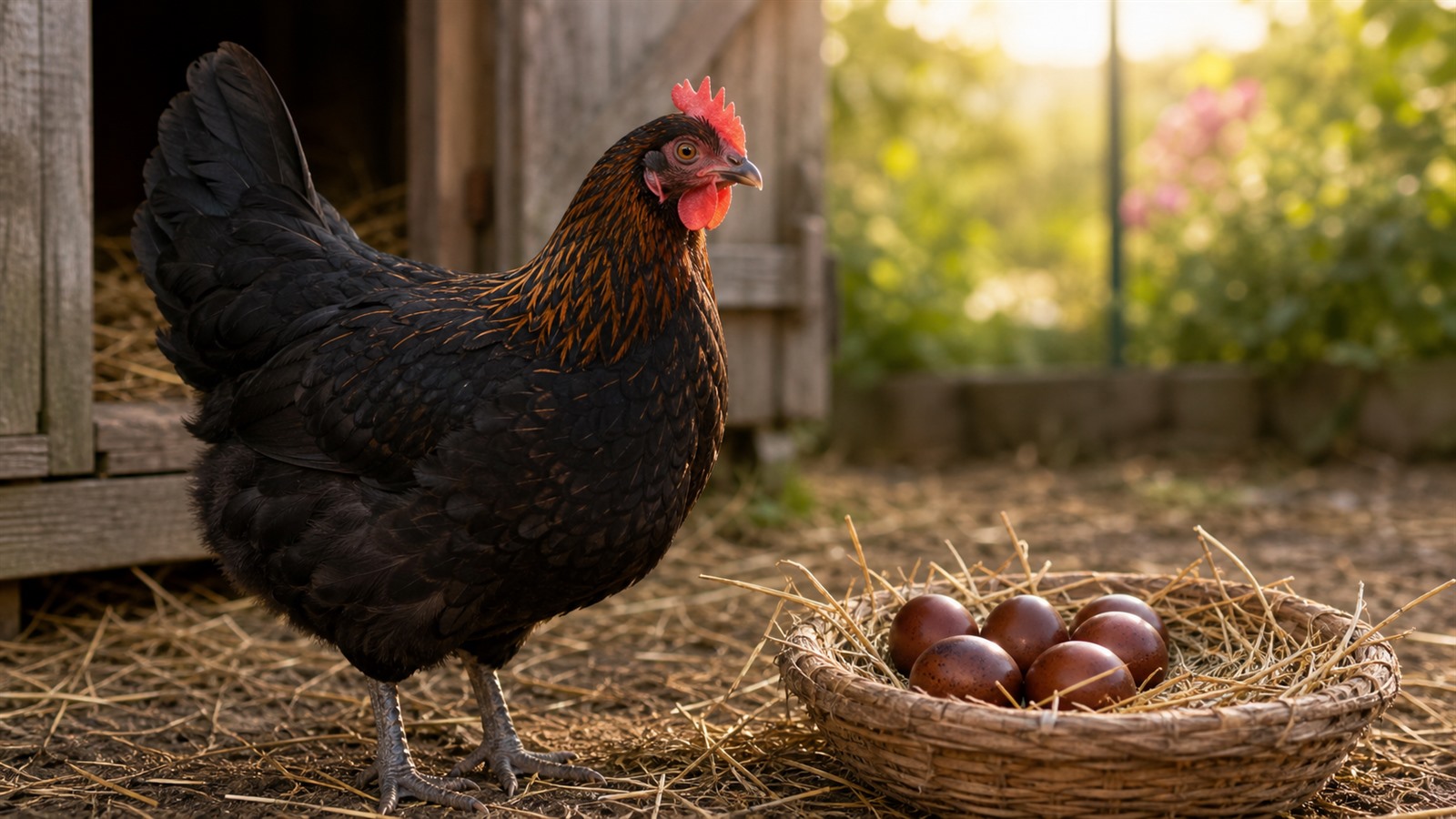
Marans also bring a certain flock style: useful body size, a steady practical feel and a different look from the lighter backyard layers many people are used to.
Short version: why people really buy Marans
- their signature feature is the dark brown, chocolate-toned egg,
- they often feel more like a “real breed choice” than a generic layer,
- not every Marans sold online will lay equally dark eggs,
- they are best for keepers who value breed character as much as usefulness.
What makes Marans more than just a dark egg bird
Yes, the egg colour is the headline, and fairly so. Dark eggs are a big part of the appeal. But people who stay happy with Marans long term usually like more than the shell. They like the body, the presence, the calmer flock feeling and the sense that they are keeping an actual breed rather than just chasing output.
That is important because it changes expectations. If you buy Marans only for a postcard version of dark eggs, you can end up disappointed. If you buy them for the full package, they are far easier to appreciate.
Expected laying from year 1 to year 5
Marans can lay well, but I would not frame them as a pure maximum-output choice. They are more of a balanced traditional breed where usefulness and character sit together.
| Laying year | Practical backyard range |
|---|---|
| Year 1 | Often around 170 to 210 eggs in a good first season. |
| Year 2 | Usually around 150 to 190 eggs. |
| Year 3 | Often around 130 to 170 eggs. |
| Year 4 | Commonly around 110 to 150 eggs. |
| Year 5 | Often around 80 to 120 eggs, depending heavily on the bird and line. |
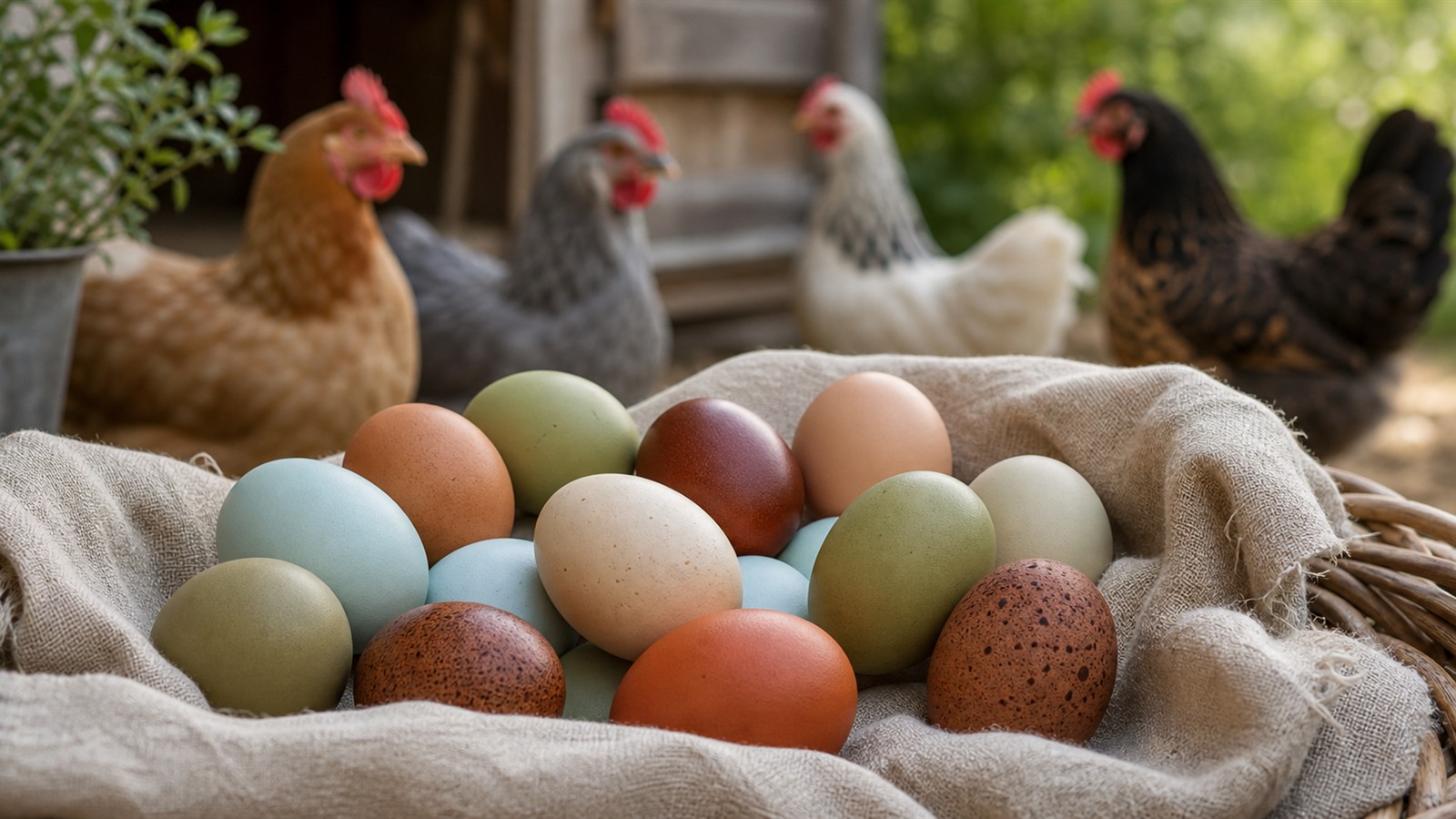
The other practical point is that shell colour can vary through the bird’s life and season. A very dark early egg does not mean every egg will look like that forever.
What to watch when buying Marans
This breed attracts a lot of photo-based selling. One very dark egg gets placed in front of the camera, and buyers imagine that is the everyday standard of the whole flock. Sometimes it is not. Asking to see current eggs from the flock is much smarter than buying from a single dramatic picture.
If you want Marans for the right reasons, buy with more patience than excitement.
Useful tips for keeping Marans well
Marans reward calm, steady flock management. They tend to make more sense in setups where you actually keep track of lines, egg shade, and which hens are really giving you what you want. If you like observing and comparing birds over time, they are very satisfying.
I would also avoid treating them like a one-season novelty project. They make much more sense as part of a flock you want to know properly.
Would I recommend them?
Yes, if you value breed character and love the darker egg basket look. No, if your only question is “what gives me the most eggs for the least thought?” Marans are rewarding, but they reward the right kind of keeper.
Dark eggs are not the whole Marans story
Marans are famous for dark eggs, but I would not buy them only from a photo of one very dark shell. Egg color changes through the season, and one impressive egg does not tell you everything about the line. Look at the birds too: body type, weight, legs, temperament and overall health.
If you want to breed from Marans, keep notes on which hen lays which shade and how regularly she lays. Select for the egg and for the bird at the same time. A beautiful dark egg from a weak bird is not a great foundation for a small flock.
Piotr Markot
Poultry breeder. I write practical notes from everyday small-flock keeping, without making the topic more complicated than it needs to be.
FAQ
Do all Marans lay very dark eggs?
No. Egg colour varies a lot by breeding line and can also fade through the season.
Are Marans good layers?
They are useful layers, but usually not at the same output level as production hybrids.
Is Marans mainly an egg-colour breed?
Egg colour is the main attraction, but the breed also offers practical body size and a good backyard feel.
How should I buy Marans if I want dark eggs?
Buy from a breeder who can show you the line, not just from a generic listing that names the breed.
Still have a question?
If you want to ask whether Marans fits your flock or how to judge egg-colour lines before buying, you can write to me by email.