How to manage a backyard chicken flock without chaos
 Piotr Markotpoultry breederDaily routines for small flocks
Most backyard flocks do not get messy because the birds are difficult. They get messy because too much information stays in your head: egg counts, losses, feed purchases, changes in behaviour, hatch dates and everyday observations.
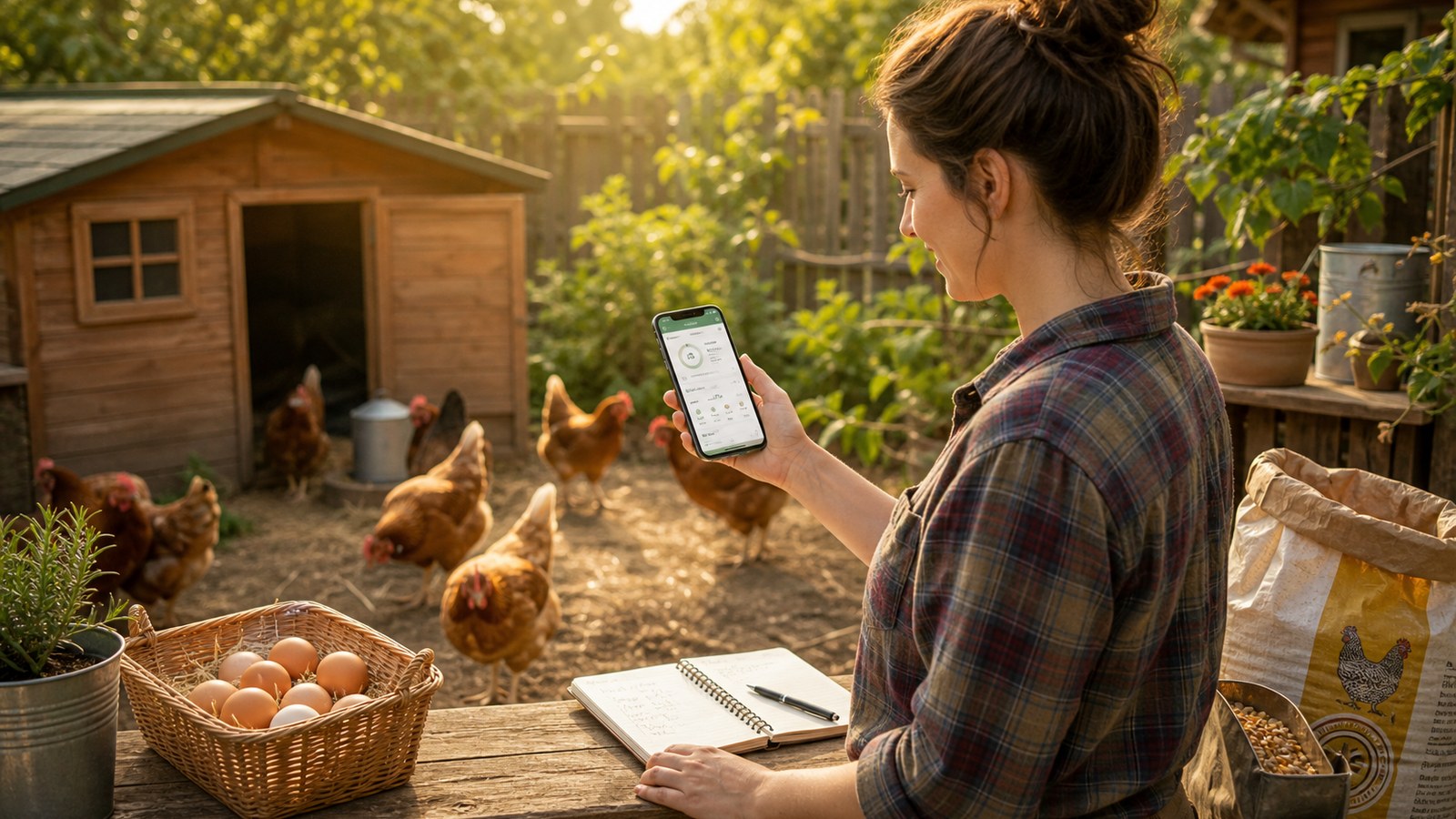
The fix is not a huge management system. It is a few clear habits and one place where your flock stops depending only on memory.
What good flock management really means
Managing a backyard flock is not about turning chickens into a spreadsheet project. It is about noticing enough, early enough, that small problems do not grow into expensive ones. The best-managed flocks often look simple from the outside because the keeper already knows what is happening with eggs, feed, age groups, brooders, housing and daily changes.
That is why management is really about visibility. If you can see the flock clearly, you make better decisions with less stress.
What to check every day
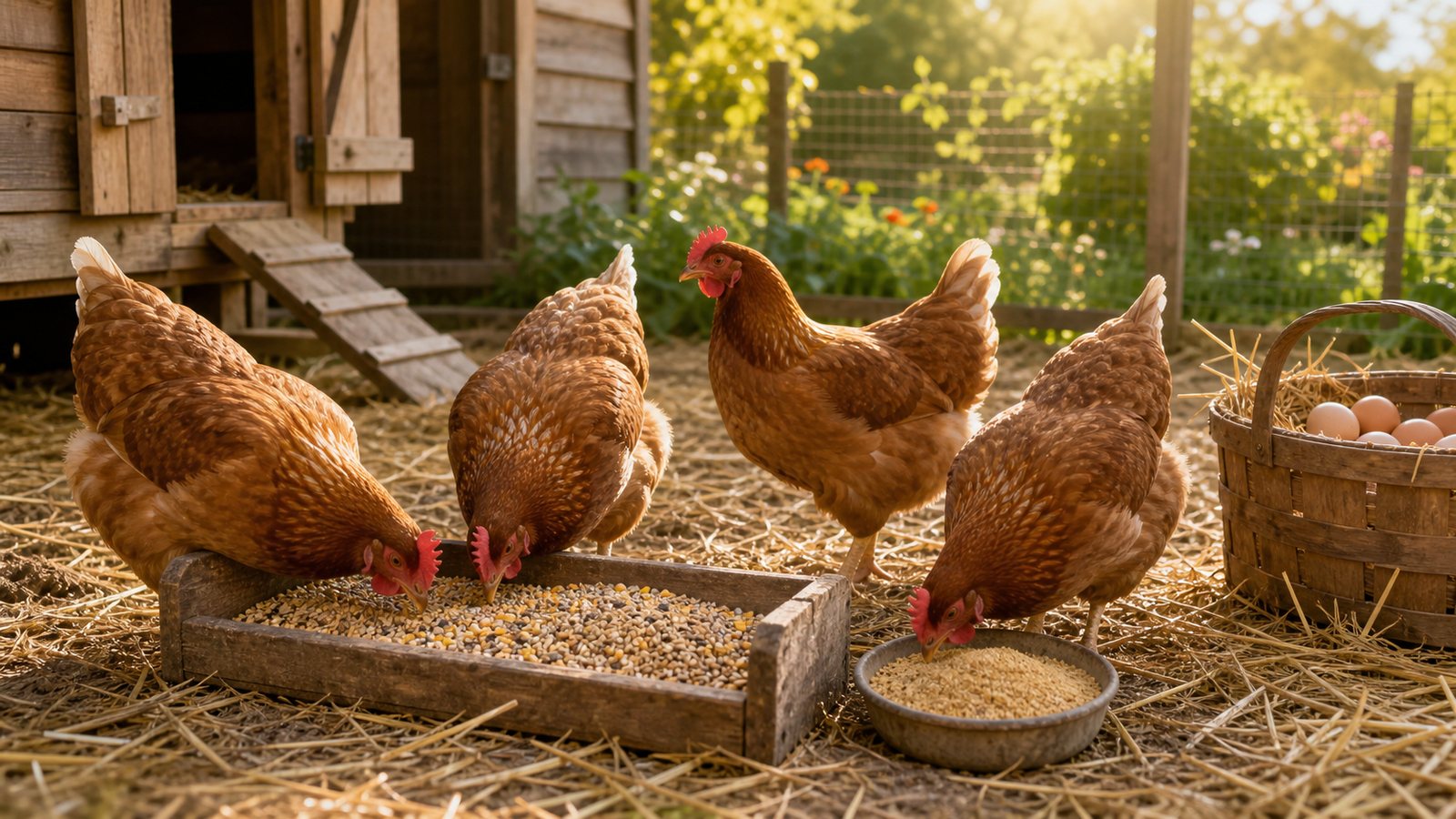
Everyday flock work does not have to be long, but it should be consistent. I would check water, feed, general behaviour, egg count, droppings that look obviously unusual, and whether any bird is hanging back from the group. Those are small checks, but together they tell you a lot.
Daily checks are also the easiest place to spot the first signs of trouble: a hen laying less, a bird standing apart, a run getting muddier than usual or feed disappearing differently from normal.
What to track every week or month
| Time frame | What is worth noting |
|---|---|
| Weekly | Egg totals, feed use, flock condition, brooder progress and anything unusual in behaviour. |
| Monthly | Bigger feed costs, changes in laying rhythm, group changes, housing issues and seasonal patterns. |
| Seasonally | Molting, winter slowdown, hatch plans, breed comparisons and which hens are ageing out of top production. |
Why notes beat memory
Most keepers think they will remember when laying dropped, when a bird started limping or when feed costs jumped. In reality, memory blurs very fast, especially once the flock gets beyond a few hens. A short note made on the right day is often worth more than half an hour of trying to reconstruct the story later.
That is also why app-based flock notes can genuinely help. The point is not to be "digital" for its own sake. The point is to stop losing useful flock information in your own head.
Where small flocks usually lose control
The first weak point is eggs. People know roughly how many there should be, but not what the actual pattern is. The second is feed cost, because money leaks quietly if nobody compares input against output. The third is flock structure: old hens, young birds, broody hens, growers and breeding groups all get mentally mixed together.
Once those three areas are messy, the flock starts feeling random even if the birds themselves are fine.
What I would keep in one system
I would keep flock groups, egg totals, costs, sales if relevant, key notes and anything incubation-related in one place. That way, if laying drops or a hatch goes badly, I can look back at what changed instead of starting from zero every time.
What I would actually record in a small flock
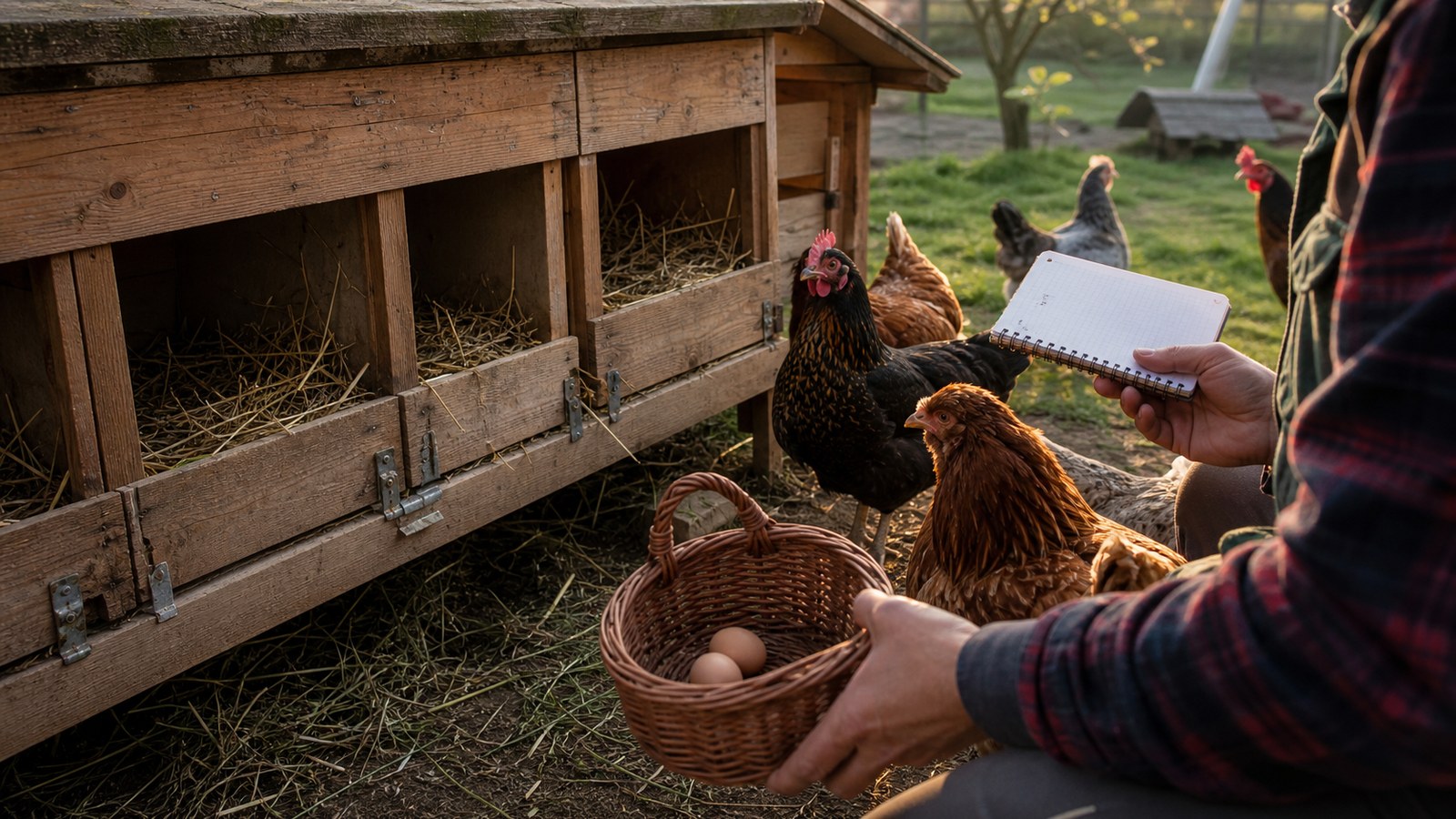
I would not write a novel every evening. The useful notes are simple: eggs collected, feed changes, new birds, illness signs, deaths, treatments, unusual weather and bigger expenses. Those points explain most changes later, especially when egg numbers suddenly drop or one group starts behaving differently.
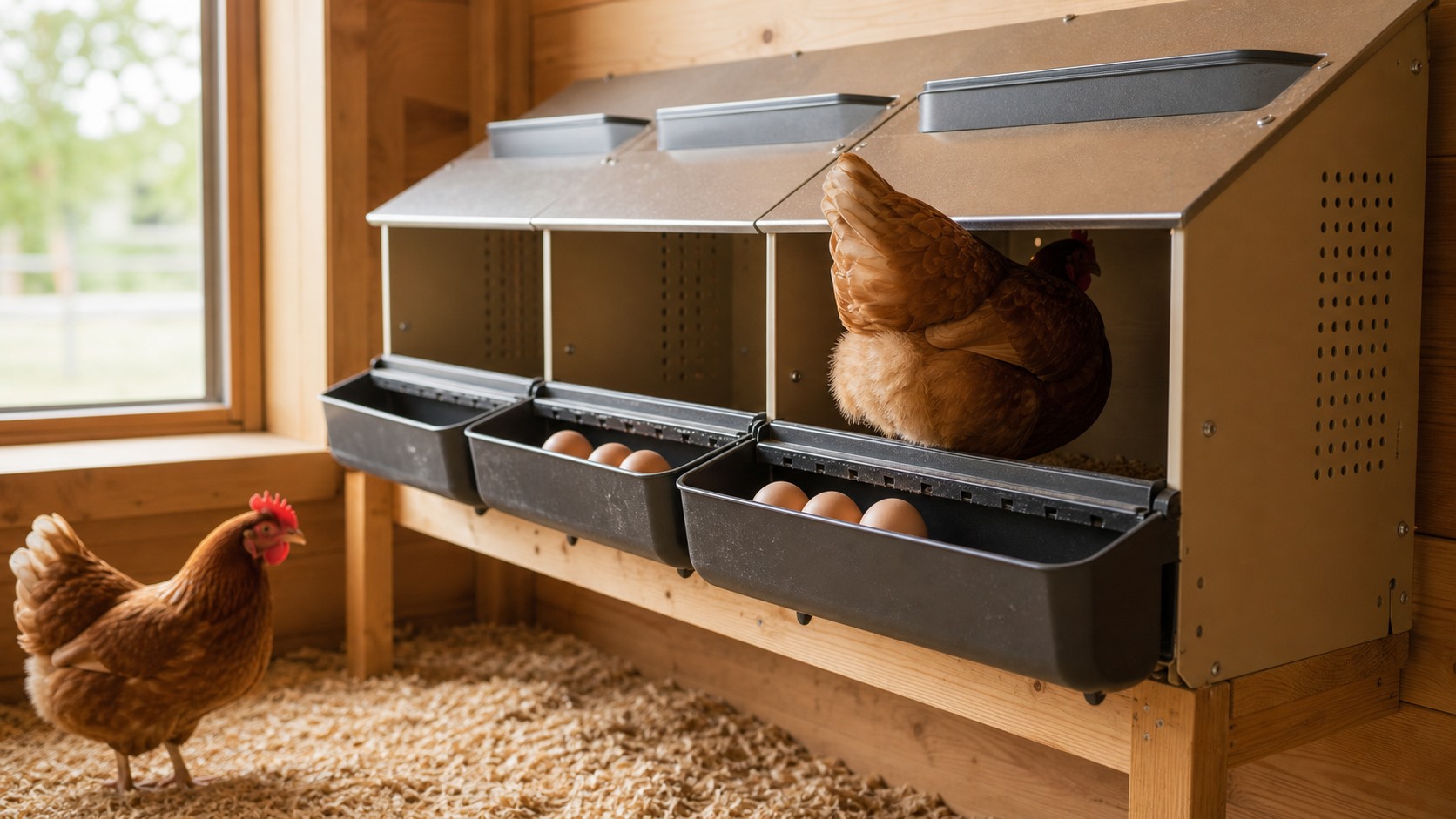
The value appears after a few weeks. You stop guessing whether the drop happened before or after a feed change. You can see if one breed is worth keeping, whether a nest setup works and whether the flock is costing more than you thought.
Piotr Markot
Poultry breeder. I write practical notes from everyday small-flock keeping, without making the topic more complicated than it needs to be.
FAQ
What should I track in a small flock?
Egg totals, feed use, flock observations, group changes and any unusual health or behaviour notes.
Do I really need records if I only keep a few hens?
Yes, because even a small flock becomes hard to judge accurately once time passes.
What is the biggest management mistake?
Trying to run the flock from memory until patterns and problems become too fuzzy to trust.
How does an app help?
It keeps eggs, flock groups, notes and costs together so decisions are based on actual records.
Still have a question?
If you want to ask what is worth tracking first in your own flock, you can write to me by email.