How to incubate chicken eggs step by step
 Piotr Markotpoultry breederFor small home incubators
Incubation looks technical from the outside, but the everyday routine is actually built on a few steady habits. Once the basics are right, the job becomes much calmer: stable temperature, sensible humidity, turning on schedule and not panicking every few hours.
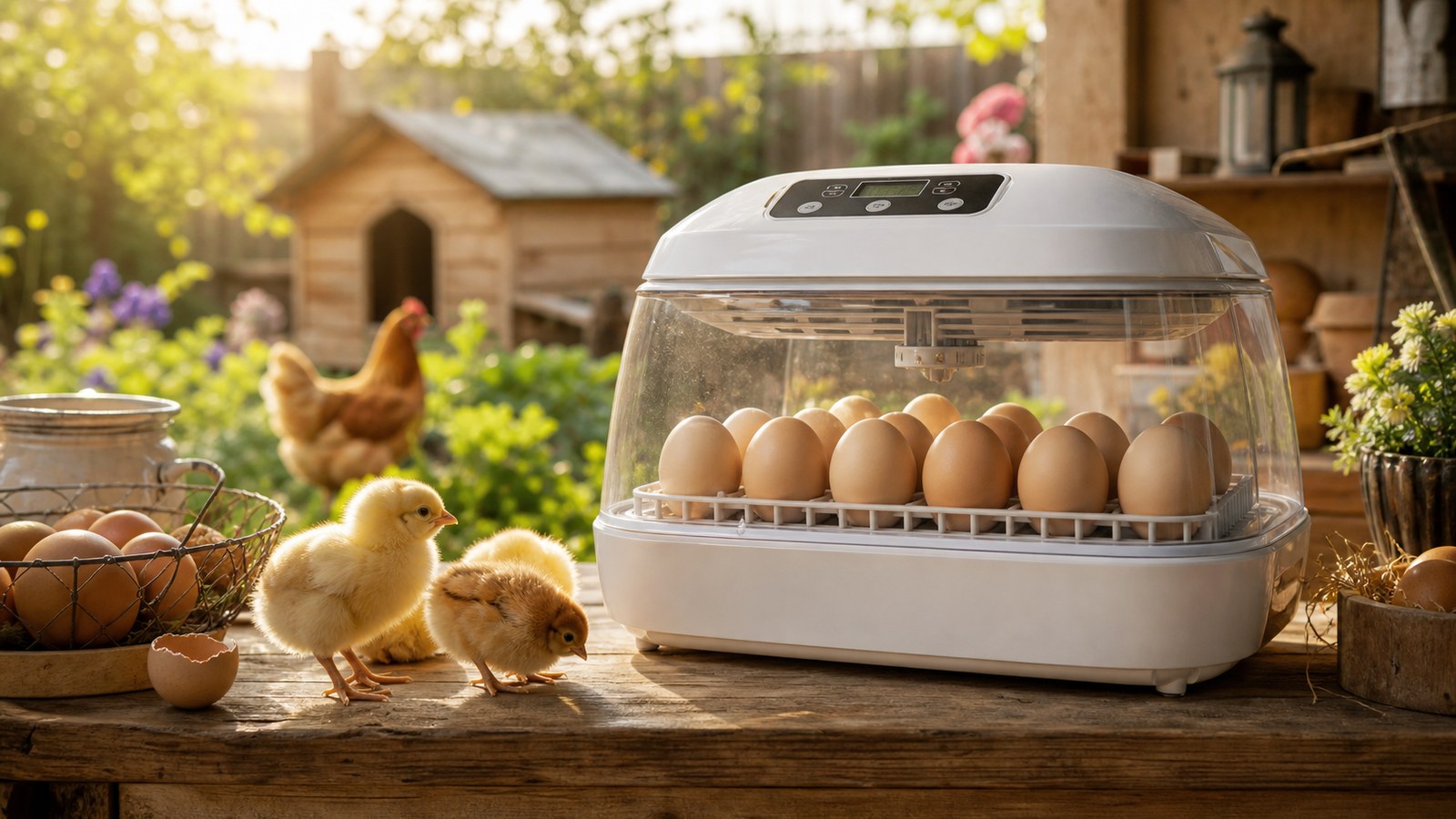
What makes incubation go well
People often look for one magic number, but incubation is really about a chain of things going right together: good eggs, stable temperature, sensible humidity, regular turning and a calm finish at hatch time. When one link slips badly, the rest of the setup has to work harder to compensate.
That is why the best incubation advice usually sounds less dramatic than people expect. It is not about tricks. It is about getting the basics right and then leaving them alone enough to stay stable.
Before you set the eggs
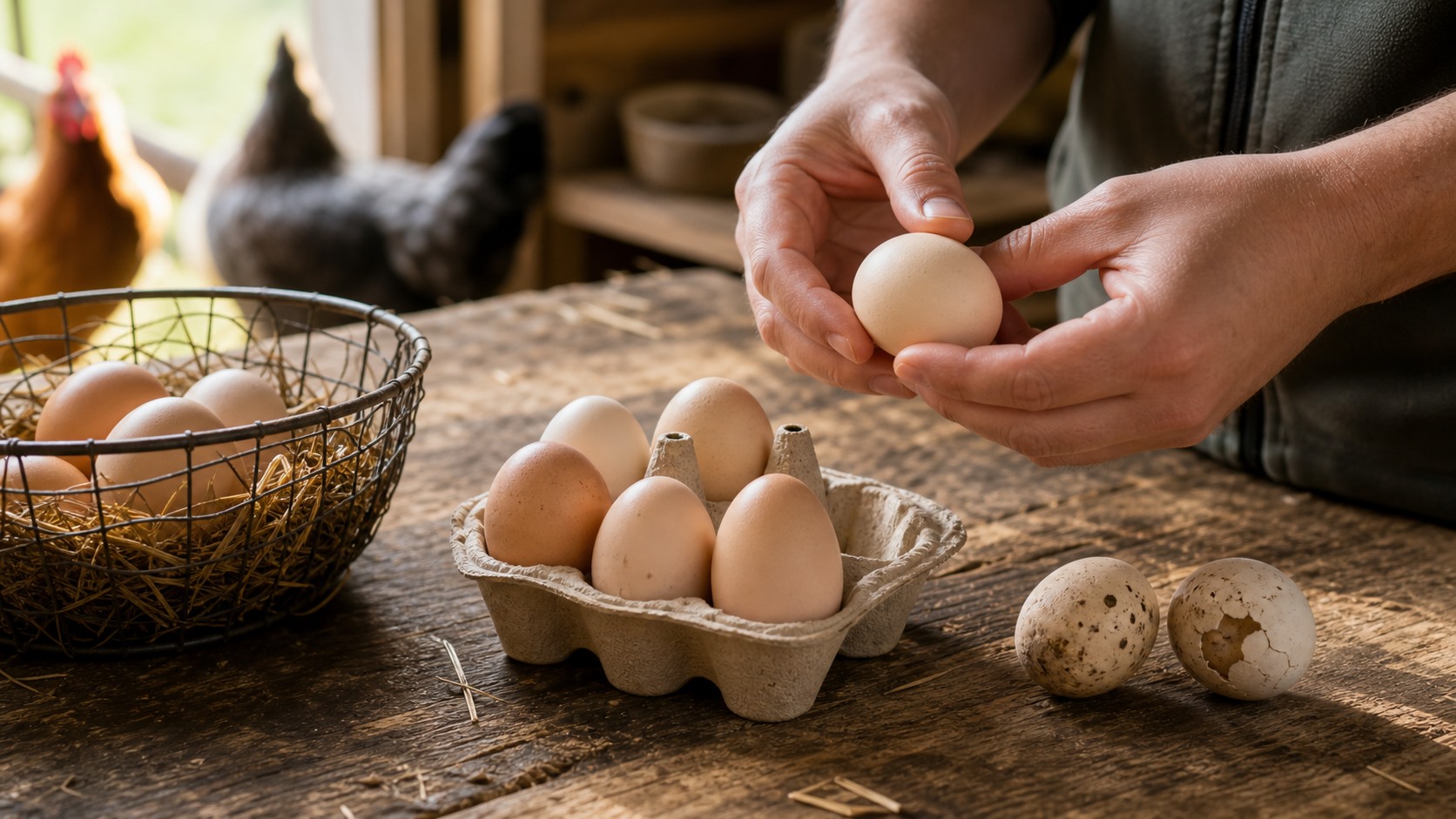
Start with eggs that are worth setting. Clean shell quality, sensible shape and careful storage matter before the incubator even comes into the picture. If eggs were collected badly or stored too long, you are already asking the hatch to recover from a weaker start.
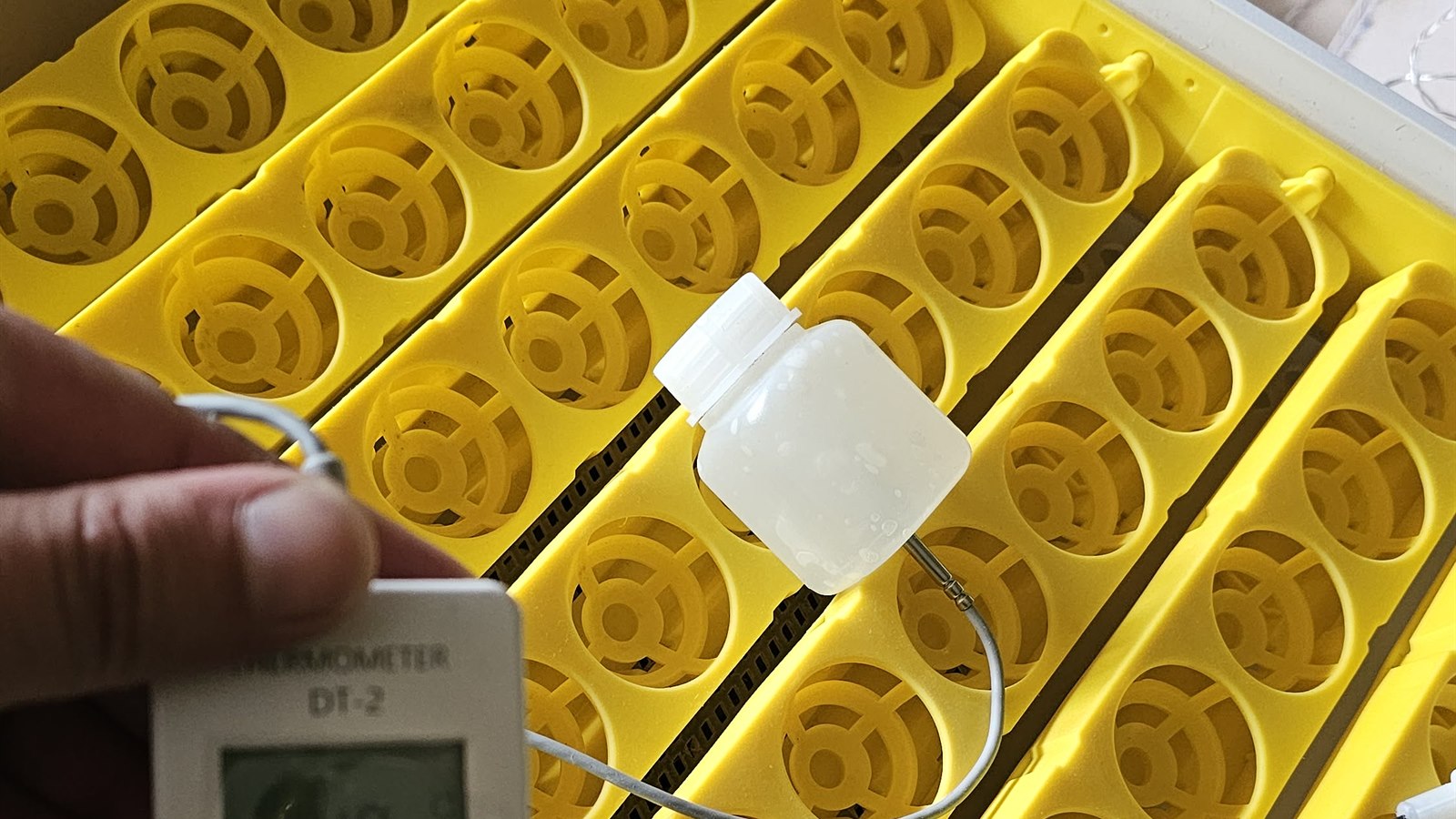
It also helps to have the incubator running and checked before the eggs go in. The worst moment to discover that a machine drifts badly is when the tray is already full.
Temperature, humidity and turning
| Stage | Main focus |
|---|---|
| Early to mid incubation | Keep temperature stable, turn regularly and do not chase every tiny reading change. |
| Middle days | Confirm development with calm, sensible checks rather than constant interference. |
| Final lockdown | Stop turning, keep the environment stable and resist the urge to keep opening the lid. |
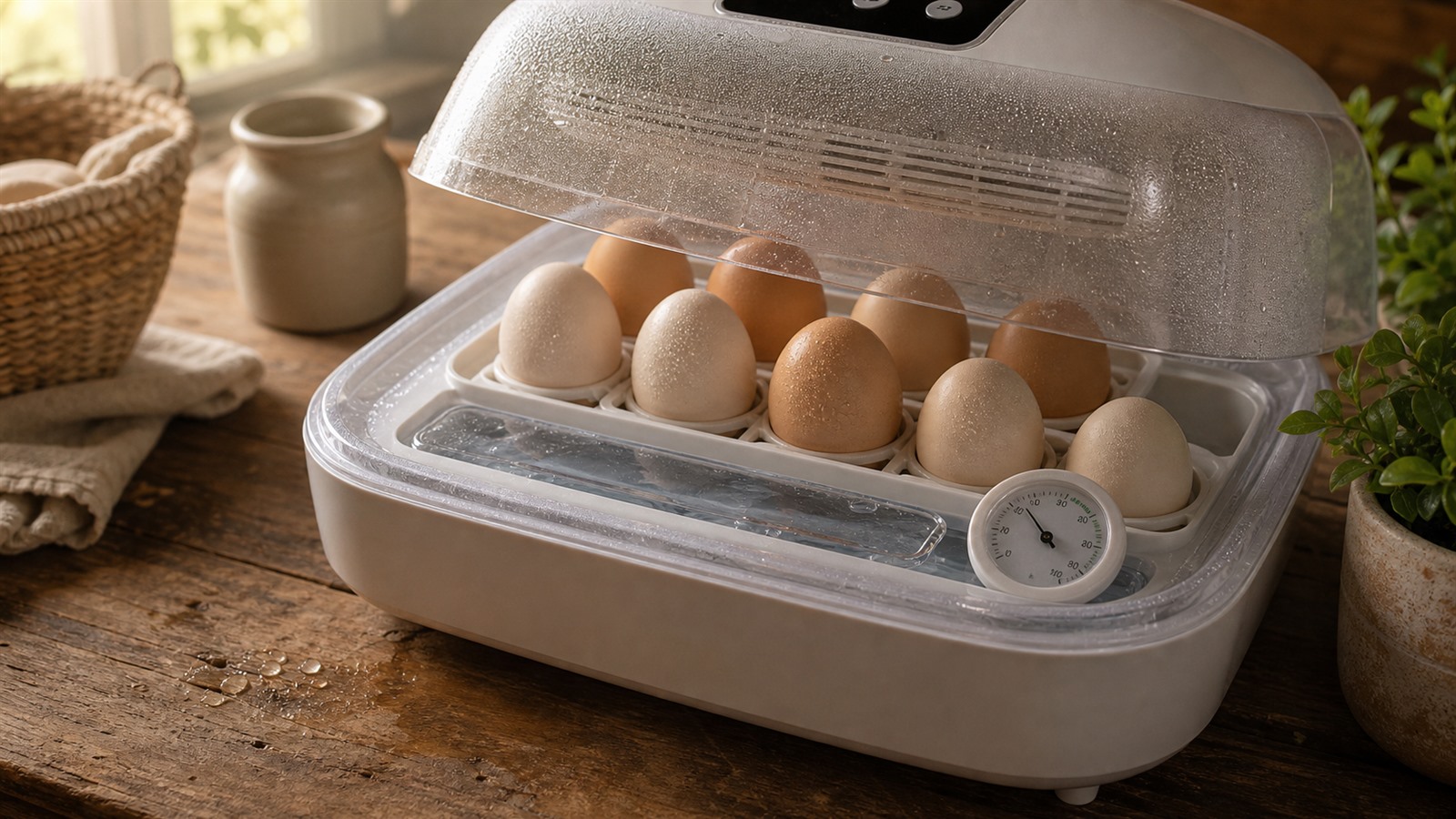
The key idea is stability. Small home incubators can fluctuate more than people like to admit, so the real skill is not to panic every time a reading wiggles.
Why candling helps
Candling is useful because it tells you whether the eggs are moving in the right direction without waiting until hatch day to discover a problem. It helps you spot clears, poor development and obvious losses before they sit uselessly in the tray for the whole run.
The trick is to use it as a calm check, not as a hobby of constant handling. Too much fuss creates more disturbance than insight.
What happens during lockdown
Lockdown is the stage where many people lose confidence and begin over-managing the machine. Turning stops, hatch humidity is set sensibly, and the eggs are left to finish. At that point, the job is mostly to keep things stable and stop "helping" too much.
Opening the incubator again and again during hatch is one of the classic beginner mistakes. The instinct comes from excitement, but the result is often a less stable finish for the chicks still working inside their shells.
Common mistakes that cost hatches
Poor egg choice, temperature that only looks stable because it was never measured properly, overreaction to every small fluctuation, weak turning routine and too much lid opening near hatch day are the big ones. None of them is exotic. They are ordinary mistakes, which is exactly why they matter so much.
That is also why better records help. Once you know what you actually did on each hatch, you stop relying on memory and start learning from pattern instead of guesswork.
My practical advice for a small incubator
Keep the setup boring. Choose better eggs. Measure temperature in a realistic way. Do not chase tiny changes. Turn consistently. Lock down calmly. The incubator does not need drama from the keeper to do its job.
The last days are mostly about not disturbing the hatch
Many hatch problems start when the first chick pips and the keeper gets nervous. From lockdown onward, I would avoid opening the incubator unless there is a clear reason. The humidity and temperature need stability, and chicks often rest for long periods between pip and hatch.
It can look slow, but slow does not automatically mean wrong. I would prepare the brooder before hatch day, then give the chicks time to dry and gain strength before moving them. Patience at the end is part of incubation, not a lack of action.
Piotr Markot
Poultry breeder. I write practical notes from everyday small-flock keeping, without making the topic more complicated than it needs to be.
FAQ
What matters most in incubation?
Good eggs, stable temperature, sensible humidity, regular turning and a calm lockdown.
Should I keep adjusting the incubator if the reading changes a little?
Usually no. Small home incubators often fluctuate slightly, and overcorrecting can make things worse.
Why is lockdown so important?
Because the final stage needs stability, not repeated disturbance from opening and checking.
Is candling worth doing?
Yes, when used as a sensible check rather than as constant handling.
What this article is based on
Still have a question?
If you want to ask whether your hatch problem is more likely eggs, temperature, humidity or handling, you can write to me by email.