Humidity in an incubator: does it really matter?
 Piotr Markotpoultry breederFor small home incubators
Yes, humidity matters, but it is one of those topics that gets turned into a single magic number too easily. In practice, humidity is important because it changes how the eggs lose moisture over time and how the hatch finishes at the end.
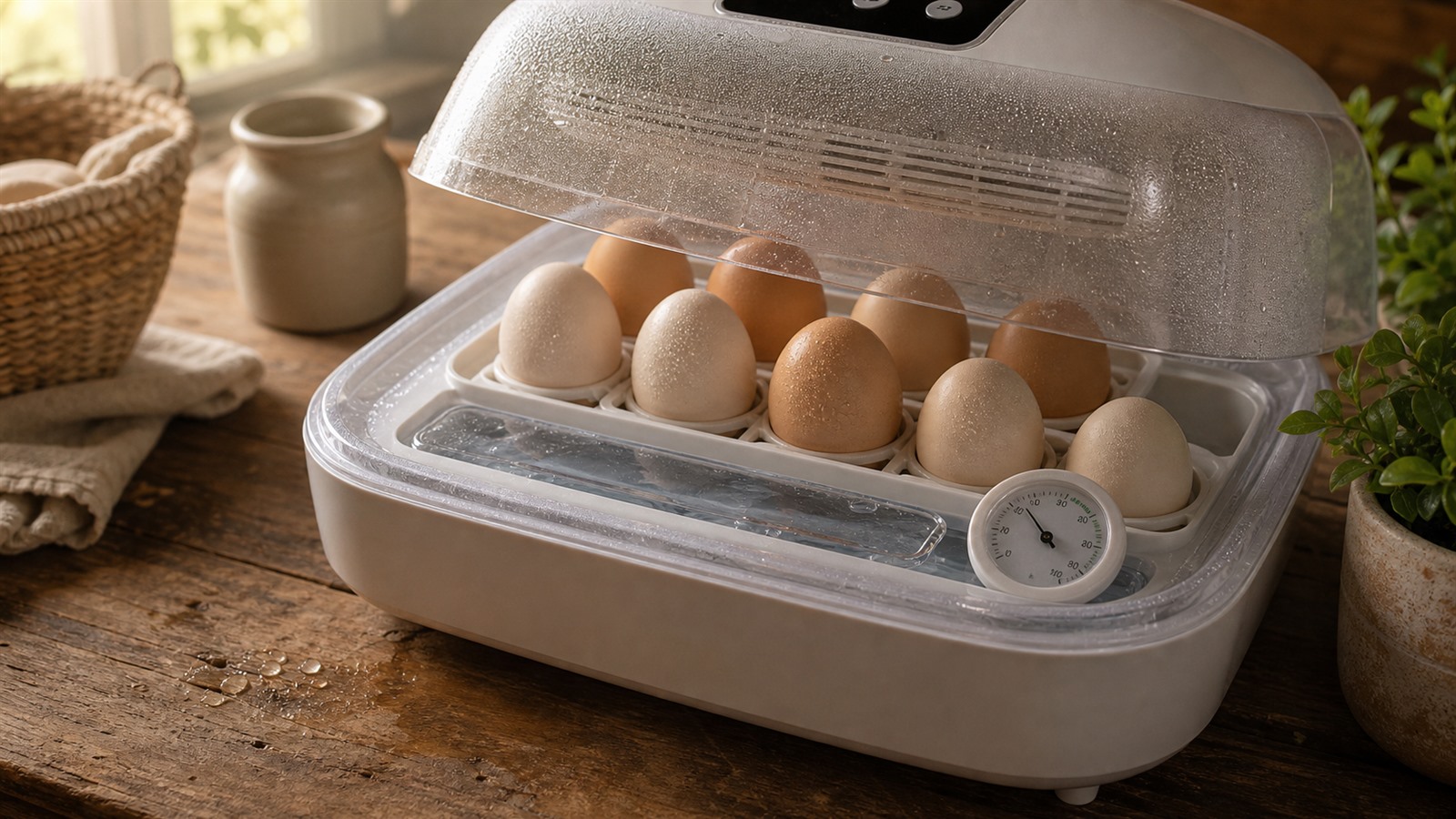
The problem is that people often chase the number without asking whether the hatch stage, egg size, incubator type and room conditions make that number sensible.
Yes, humidity matters, but not in the way people often think
Humidity matters because eggs lose moisture throughout incubation, and that loss has to stay in a sensible range for the chick to develop and hatch well. The mistake is turning that truth into panic and reacting to every tiny number swing as if the hatch is about to fail instantly.
Small incubators are not laboratory cabinets. The better goal is a stable sensible range, not obsessive perfection every minute of the day.
What humidity is really doing
During incubation, the egg is not supposed to stay unchanged. It gradually loses moisture, and that process is part of normal development. If humidity stays far too high for too long, the egg may not lose enough moisture. If it stays too low for too long, it can lose too much.
That is why humidity matters over time, not just as a single snapshot. The real question is whether the overall hatch environment is steering the eggs in the right direction.
Why the final phase matters more
Many keepers become most aware of humidity during lockdown because the last stage is where poor control can become very visible. Once the eggs are no longer turned and hatch is close, stable hatch humidity helps chicks complete the final stage without the environment being made harder than it needs to be.
That does not mean the earlier days do not matter. It means the final stage is where people feel the consequences more clearly.
What changes the humidity inside a small incubator
| Factor | Why it matters |
|---|---|
| Room climate | A very dry or very damp room changes how hard the incubator has to work. |
| Ventilation pattern | Air exchange influences how moisture builds or escapes. |
| Machine design | Small incubators vary a lot in how evenly they hold their internal environment. |
| Keeper behaviour | Frequent opening, topping up and reacting can create more instability than expected. |
How people get into trouble
The most common problem is chasing the display. If humidity drops a little, they intervene immediately. If it rises, they intervene again. In a small incubator, that cycle can create more turbulence than the original reading ever would have caused by itself.
The second problem is thinking about humidity in isolation. If temperature measurement is poor or eggs were selected badly to begin with, humidity becomes an easy thing to blame for a more complicated hatch issue.
My practical approach
I would treat humidity as something to manage steadily rather than dramatically. Know the general range you are aiming for, understand that the room around the incubator affects the machine, and pay special attention to the final hatch phase. But I would not build the whole hatch around emotional reactions to every small movement on a screen.
Do not let the display do all the thinking
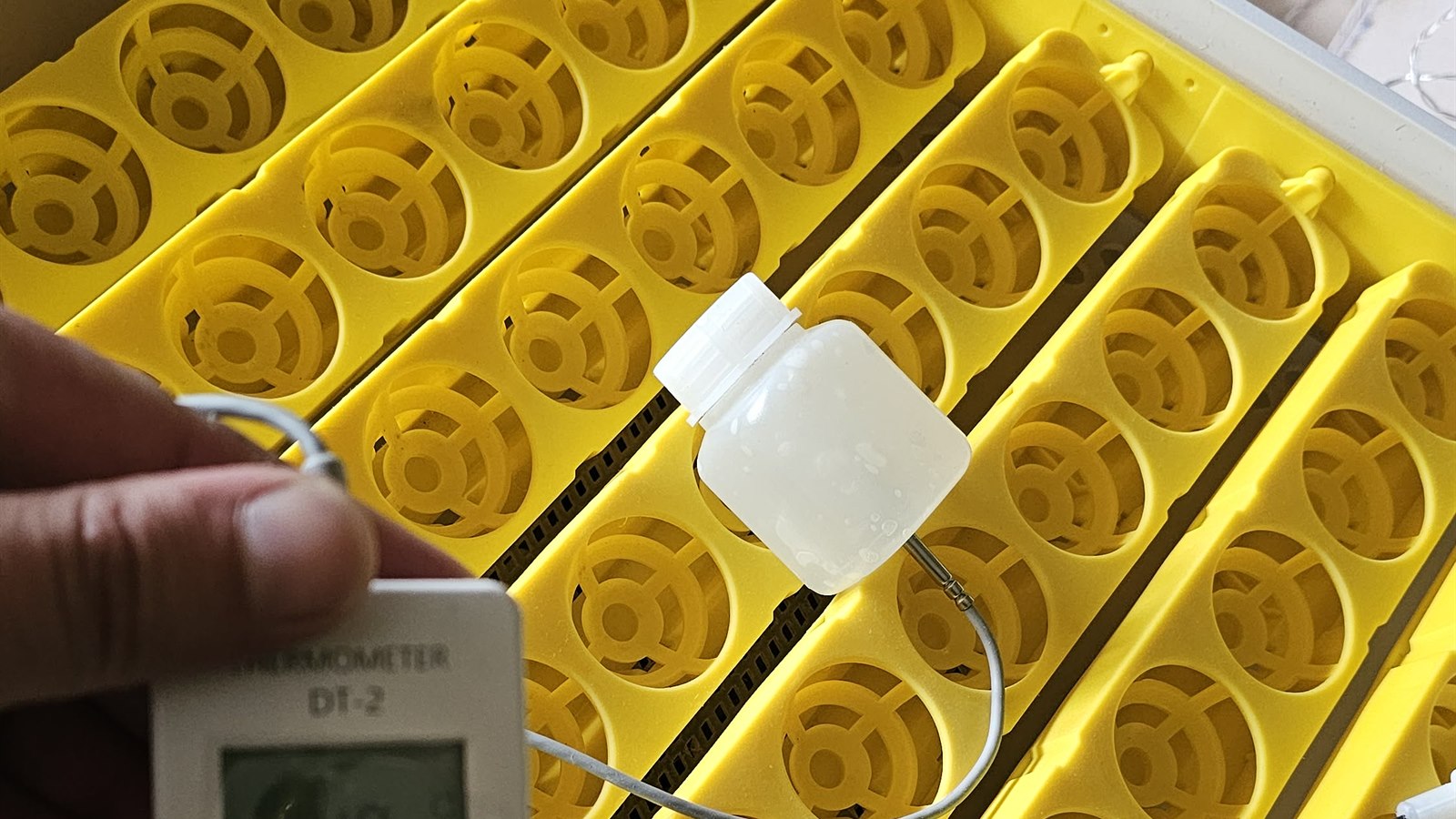
Humidity matters, but a small incubator display can jump around quickly. Opening the lid, adding water or moving the incubator to another room can change the reading fast. That does not always mean the eggs are in trouble. I would look at the general pattern, not panic over every small movement.
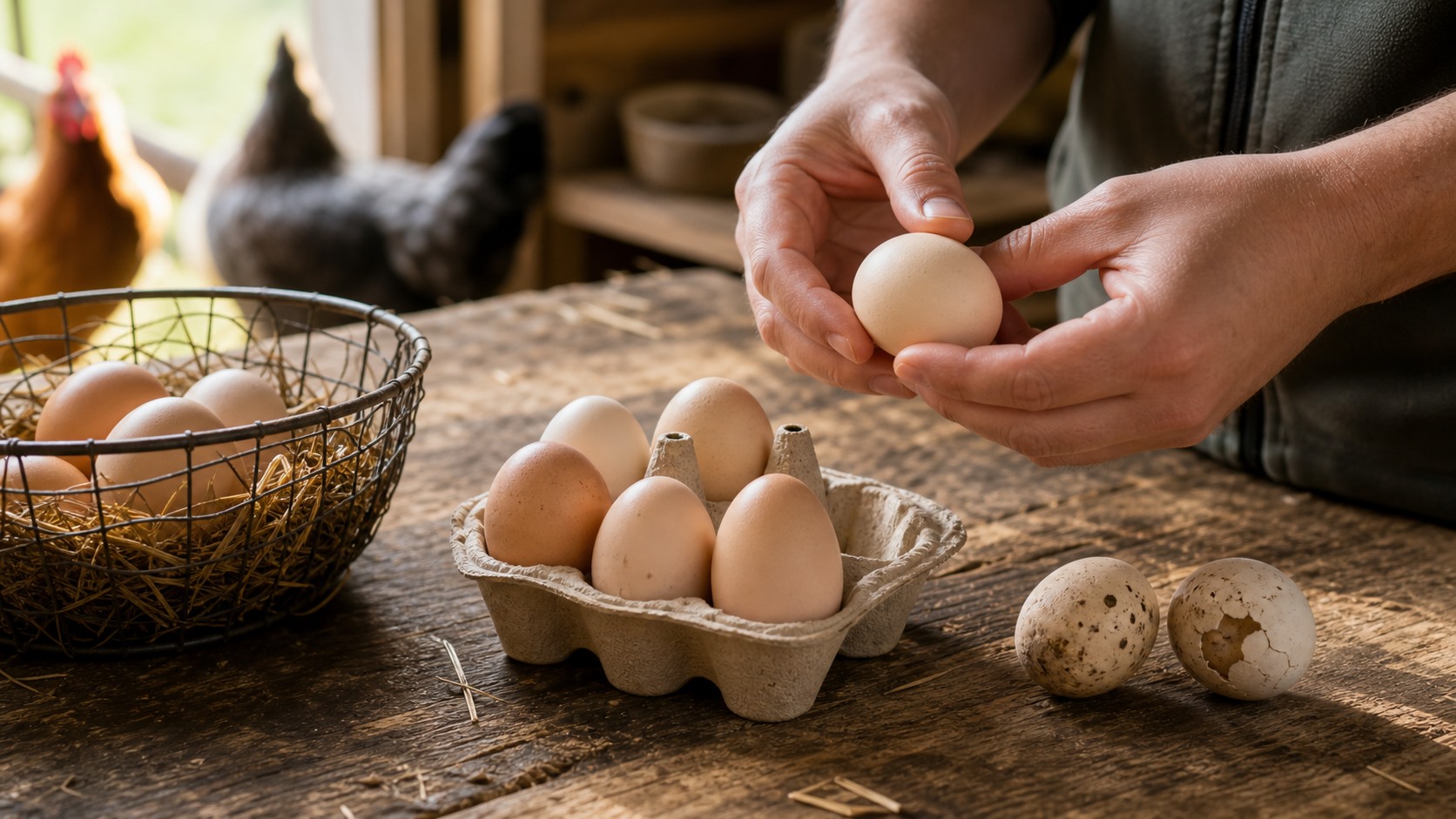
The air cell is a useful second opinion. If it grows too slowly, the egg may be losing too little moisture. If it grows too much, it may be drying too fast. That simple check often tells more than staring at one number all day.
Piotr Markot
Poultry breeder. I write practical notes from everyday small-flock keeping, without making the topic more complicated than it needs to be.
FAQ
Does humidity really matter during incubation?
Yes. It affects how the egg loses moisture over the course of the hatch.
Is the final phase more sensitive?
Usually yes. Lockdown and hatch are where poor humidity management often becomes more visible.
Should I react to every small change in the reading?
Usually no. Small home incubators often benefit more from calm stability than from constant correction.
Can room climate affect the incubator?
Absolutely. A very dry or very damp room changes what the machine has to deal with.
Still have a question?
If you want to ask whether your hatch problem looks more like a humidity issue or a broader incubator setup problem, you can write to me by email.